
02 / Arrival
Welcome teams with usable information
Make the first transfer, accreditation check and hotel handoff easier to navigate. Separate routine directions from conversations that need a professional interpreter.
Plan the arrival handoff →International competition · language planning
Coconutkerval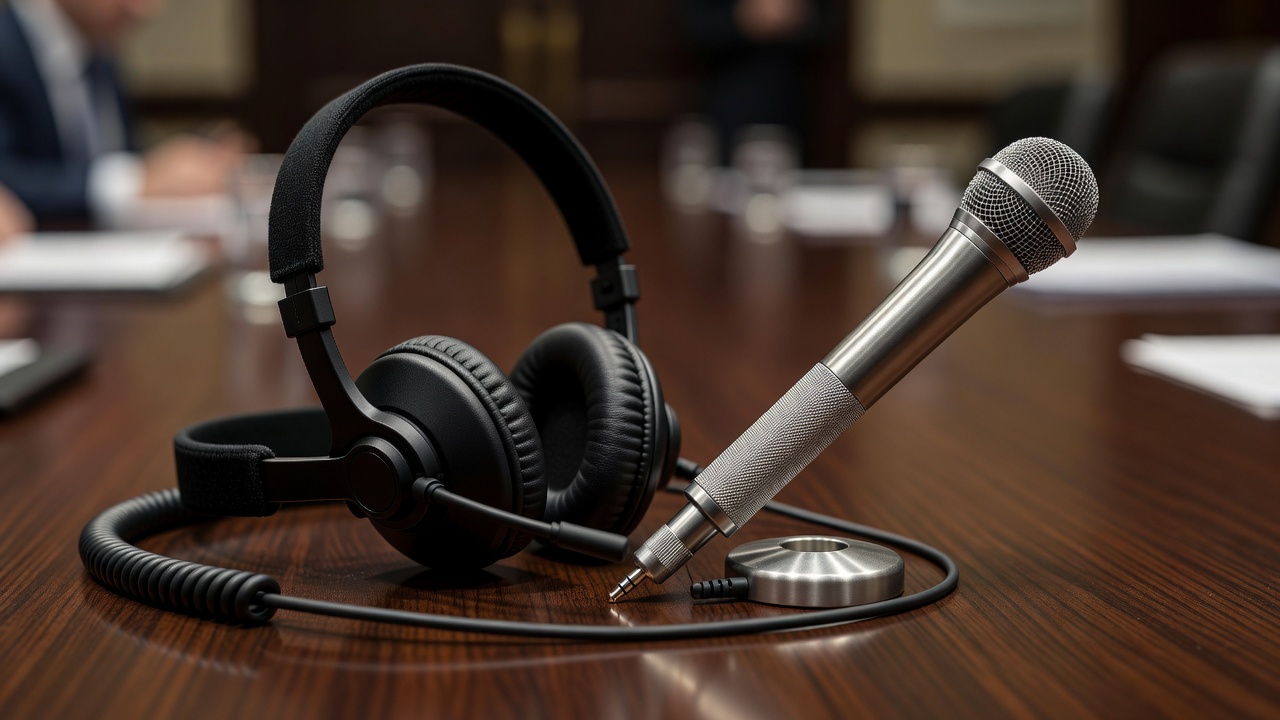
Practical, independent guidance for the people welcoming teams, coordinating briefings and carrying competition stories across languages.
Outline your language needsA late transfer update, a technical instruction, a question after the final: language needs appear at handoffs, not just on a list of services.
Start with who needs to understand what, by when, and who has authority to confirm the meaning. Then choose the right written, spoken or signed support.
Make the first transfer, accreditation check and hotel handoff easier to navigate. Separate routine directions from conversations that need a professional interpreter.
Plan the arrival handoff →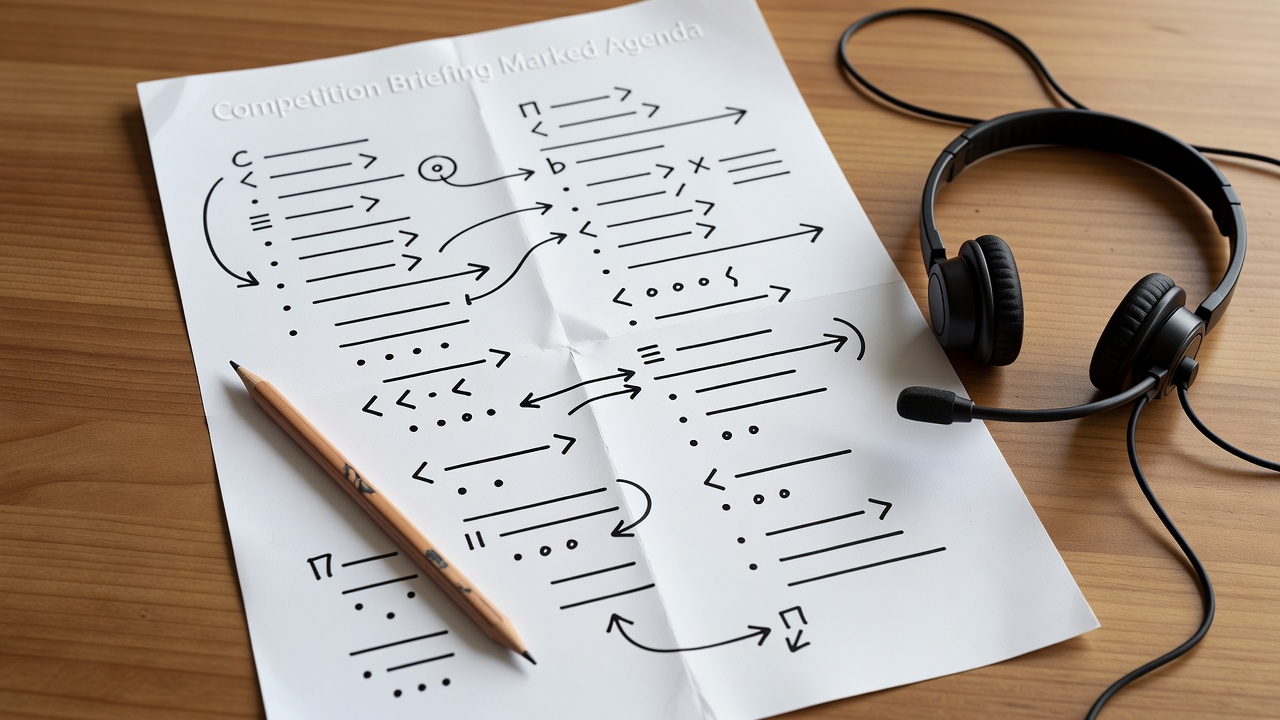
Give language professionals the agenda, terminology and current rules before the room fills. Keep the authority to interpret a rule distinct from the task of interpreting speech.
Prepare a shared briefing →
Mixed zones and press conferences need clear turn-taking, clean audio and agreed language routes. Prepare for an athlete’s meaning, not a polished substitute for it.
Set up the media moment →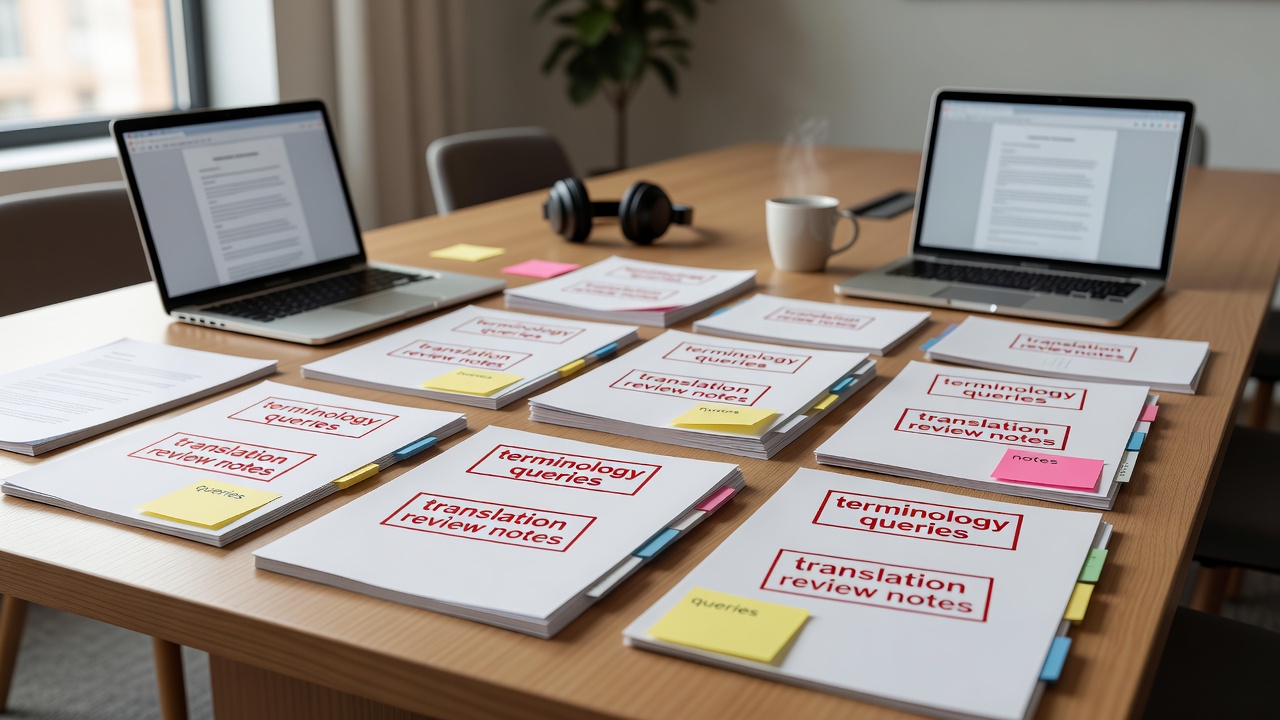
Build a controlled route from source text to approved language versions. Protect names, numbers, accessibility and the small instructions that make a document usable.
Map the document workflow →No. Coconutkerval is an independent information website. Use its guides to prepare a brief for a qualified provider.
Translation works with written content. Interpreting supports spoken or signed communication. They require different planning, skills and delivery arrangements.
Start with the moments where misunderstanding has consequences, then identify the audience, language direction, format, timing and responsible decision-maker.
Collect the event moment, language context and practical details in one plain-text brief. Copy or download it locally; the tool does not send a message.
No booking form. No automatic submission. A clearer starting point for your own conversations.