Field guide / Media interpreting

Words at the Media Moment

When the cameras are running, there is little room to reconstruct a missed question. Prepare the language route before the athlete reaches the microphone.

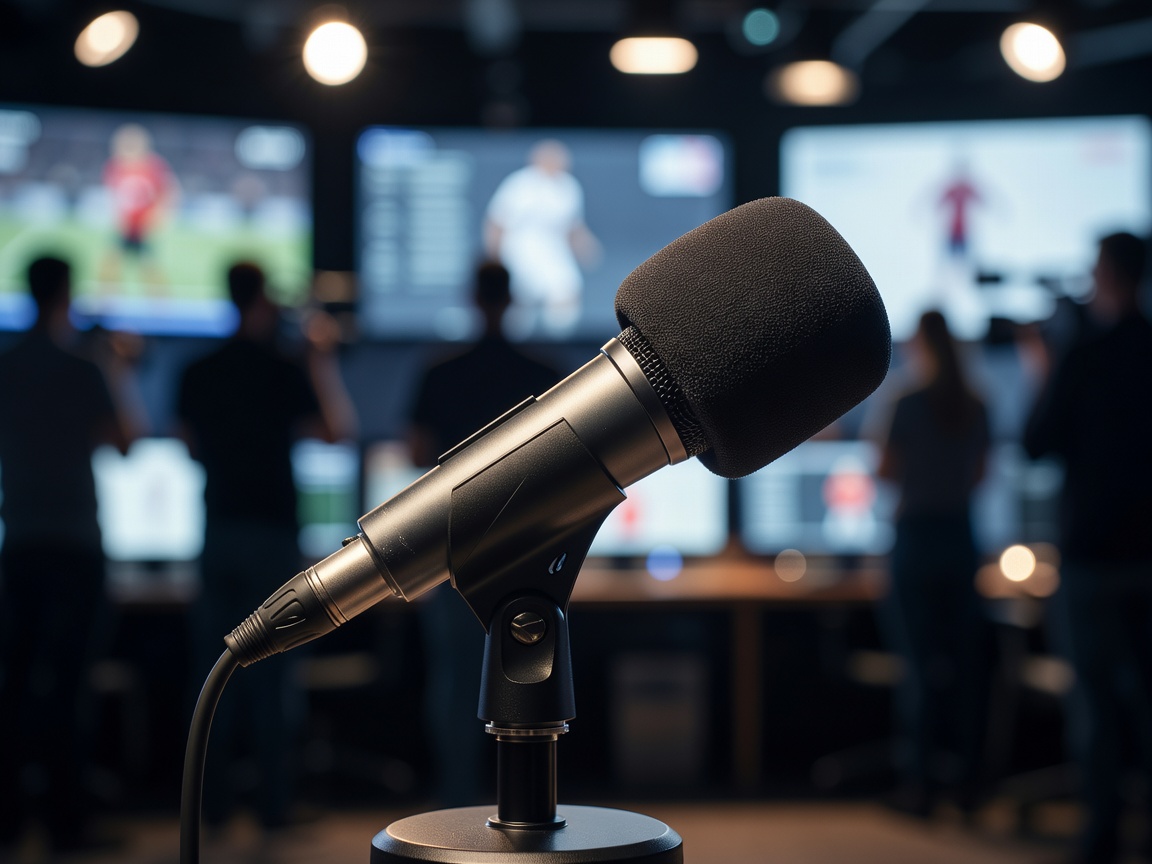
Shallow-focus close-up of a microphone prepared for a sports press conference
Clean audio, clear turns and prepared terminology protect meaning under pressure.
The pressure point

The public hears a statement, not the workflow behind it

An interpreted answer can become a headline within minutes. The task is to carry the speaker’s meaning faithfully, not to improve their message or quietly replace an uncomfortable answer.

01 / Identify the moment

A mixed zone is not a press room

Map each setting separately. A press conference may have a fixed agenda, microphones and a moderator. A mixed zone is often mobile, noisy and crowded. A broadcast interview adds production cues and hard timing constraints. A recorded feature may allow a different approach to review, transcription and subtitles.

For each setting, agree the language direction, expected speakers, likely duration and intended audience. Ask whether interpreting will be heard in the room, carried on a broadcast feed or used later for editorial reference. An arrangement suitable for a small conversation may be unsuitable for a live public transmission, even when the same languages are involved.

02 / Build the preparation pack

Supply names, context and current facts

Give the interpreter confirmed athlete names, pronunciations where available, team names, competition format and relevant terminology. Include likely topics without presenting a script as a guarantee of what a journalist will ask. Identify the official source for current results and explain abbreviations used in statistics.

Events under the Union Cycliste Internationale, International Ski and Snowboard Federation or International Ice Hockey Federation use different sporting vocabularies. Do not assume that familiarity with one international event transfers automatically to another. Supply the relevant competition context, including disciplinary terminology where discussion is foreseeable, while keeping confidential information restricted to those who genuinely need it.

03 / Rehearse the audio

Make every question available

An interpreter cannot reliably reconstruct a question masked by room noise or delivered away from a microphone. Test the actual feed, monitor position and return audio. In a mixed zone, plan where the interpreter can stand without losing access to either speaker or obstructing camera and accessibility routes.

For consecutive interpreting, ask speakers to pause in manageable segments and allow the full interpretation before the next question. For simultaneous interpreting, agree the technical arrangement and language-channel instructions with the provider and production team. ISO 23155 is a relevant reference for conference interpreting services; citing it does not by itself establish that a particular setup meets the standard.

04 / Protect the speaker’s meaning

Do not turn interpreting into message management

Emotion, hesitation, uncertainty and disagreement can all be part of an answer. An interpreter should not be asked to make a statement more confident, remove criticism or invent a sporting explanation. If a phrase is unclear, a transparent request for repetition is safer than a plausible guess.

A communications lead may brief an athlete before an interview, but that is a separate task from interpreting the interview itself. Explain this distinction to production staff and team representatives. If the same professional is asked to perform multiple roles, agree those roles and any conflicts beforehand rather than switching silently while the microphone is live.

05 / Handle sensitive questions

Keep specialist responsibility intact

Questions about injury, selection disputes, safeguarding or disciplinary proceedings can cross professional boundaries quickly. The moderator should apply the event’s procedures and direct substantive responses to authorised people. An interpreter transfers what is said; they do not provide medical advice, legal clearance or permission to disclose private information.

Where children or vulnerable participants are involved, follow safeguarding and media-access arrangements rather than relying on a general consent assumption. Clarify recording, reuse and confidentiality expectations with the relevant parties. Do not circulate personal case notes in a broad media terminology pack simply because a sensitive question might arise.

06 / Carry the words onward

Separate live interpreting from publishable text

A live interpretation, an edited transcript, a translated quotation and a subtitle file are different outputs. State which one is being commissioned and who checks it. Subtitles introduce reading-speed and timing constraints; a transcript requires decisions about speaker identification and treatment of unclear audio.

Preserve the source recording according to the event’s retention and access rules, and maintain a correction route for misheard names, numbers or quotations. Do not describe an edited summary as a verbatim translation. When material moves into a release or website, use the controlled document translation workflow rather than treating the first available wording as an approved final version.